Whether it's a single damaged tooth or a more involved surgical case, Tooth Extraction in Eagleville comes with a clear recovery plan. Smile Center Dentistry walks through aftercare before you're numb, not after.
Extraction is often treated as a last resort elsewhere, and we hold to that same standard here. We'd rather spend time exploring alternatives than pull a tooth that could still be saved.
We explore fillings, crowns, and root canals first — extraction is recommended only when those genuinely won't work. Extraction is treated as the last option, not the default one.
Straightforward extractions are handled in-house; more complex surgical cases are coordinated with an oral surgeon when needed. We don't attempt cases beyond our scope — we refer out when that's genuinely the better option.
If you're considering an implant later, socket preservation grafting can protect bone volume at the time of extraction. This step is optional, and we explain the trade-offs honestly.
Follow-up checks are scheduled proactively, not left for you to remember to book. Most complications are preventable with the right aftercare, which is why we take this step seriously.
We explain which category applies to you before treatment day, not as a surprise in the chair.
Local anesthesia keeps the procedure comfortable, and most patients are in and out within an hour. We confirm the socket is stable before you leave.
For teeth that are broken at the gumline or difficult to access, a surgical approach may be needed, coordinated with an oral surgeon. Recovery expectations are discussed honestly, since these cases take longer to heal.
This step is optional but often recommended if you're considering replacing the tooth later. We explain the added cost and healing time clearly before you decide.
When an abscess or infection has damaged a tooth beyond repair, we prioritize these cases for prompt removal. We monitor healing closely on infected extraction sites.
Written aftercare instructions cover swelling, diet, and dry socket prevention specific to your procedure. We're reachable directly if something feels off during recovery.
When several teeth need removal, we plan the sequence and sedation approach to minimize total recovery time. Staging complex cases in phases is sometimes the better approach, and we'll say so.
We ask about pain level and swelling to determine how quickly you need to be seen.
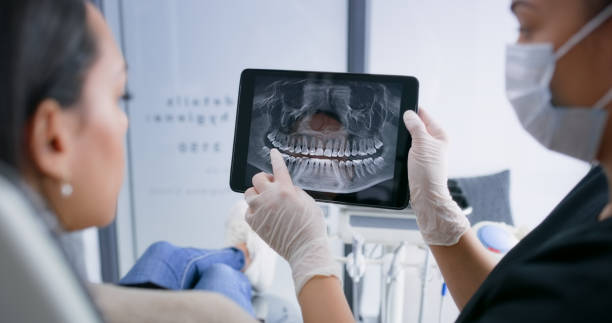
Digital X-rays confirm the tooth's condition and whether a simple or surgical approach applies.
Local anesthesia keeps the procedure comfortable; simple cases are typically quick, surgical cases take longer.
You leave with written recovery instructions and a scheduled follow-up if needed.
"Simple extraction, done in about 20 minutes, and the aftercare sheet answered every question I would have called about."
"Surgical extraction for an impacted tooth near the gumline — they were upfront it would take longer and it did, but recovery went smoothly."
"Follow-up call a few days later just to check on healing — didn't expect that but it was reassuring."
"Numbness check before they started, and I genuinely didn't feel the extraction itself."
"Discussed a bridge versus implant before pulling the tooth, not weeks later when I was scrambling to decide."
The extraction itself is done under local anesthesia, so you shouldn't feel pain during the procedure — some soreness afterward is normal. Over-the-counter pain relief is usually sufficient for simple extractions.
It depends on the tooth's position and condition — visible, accessible teeth are usually simple; broken or impacted teeth may need a surgical approach. Knowing this in advance also sets accurate recovery expectations.
Dry socket happens when the healing blood clot dislodges — avoiding straws, smoking, and vigorous rinsing for the first few days helps prevent it. It's uncomfortable but treatable if it happens — call us right away if you suspect it.
If you're considering an implant later, grafting at the time of extraction helps preserve bone for that future procedure. We won't push this if you're not planning to replace the tooth.
Simple extractions typically heal within a week to ten days; surgical cases can take longer. We schedule a follow-up to confirm healing is on track for your specific case.
Cost depends on whether it's simple or surgical, and whether grafting is involved — we quote this after your exam. We verify insurance benefits beforehand so you know your out-of-pocket cost.
Smile Center Dentistry provides Tooth Extraction to patients throughout Eagleville and neighboring Eagleville, PA communities. Whether it's one tooth or several, our Eagleville team handles the full case from consult through recovery.
We'll explore every alternative before recommending extraction.
Call +1-866-227-2801